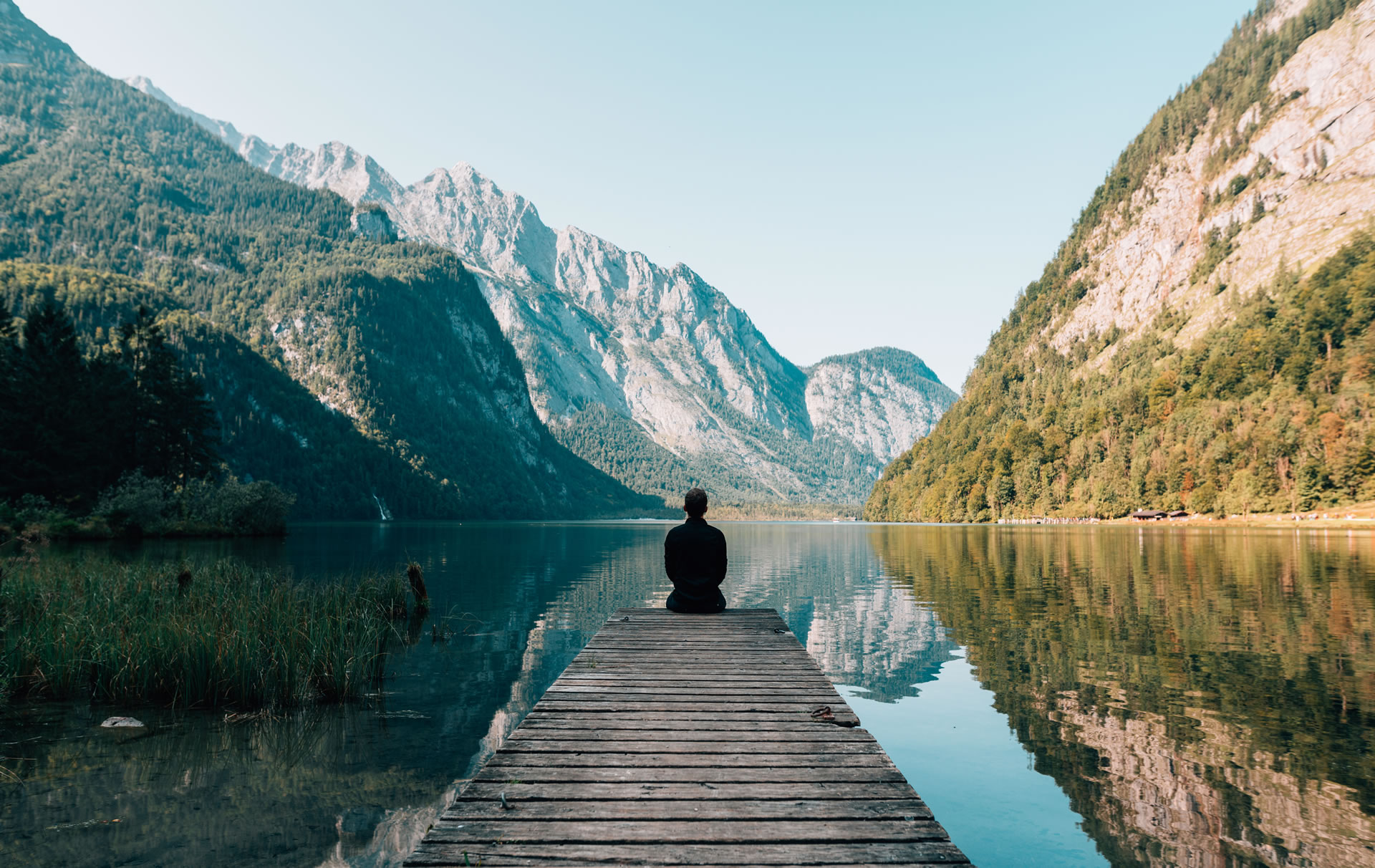

In a world increasingly dominated by rapid technological advances and constant connectivity, the quest for tranquility often feels elusive. Yet, nature remains an enduring sanctuary, offering timeless lessons on achieving mental clarity and emotional balance. From the serenity of a quiet lake to the intricate skills involved in fishing, these natural experiences teach us patience, mindfulness, and resilience. This article explores how engaging with the natural world, exemplified by modern activities like the Fishin’ Frenzy slot game, can serve as a gateway to inner calm and personal growth.
Table of Contents
- The Philosophy of Calm in Nature
- Fishin’ Frenzy as a Modern Reflection of Tranquility and Skill
- Lessons from the Deep: Insights from the World’s Most Extreme Fish
- The Economics of Fish: Value, Sustainability, and Emotional Balance
- Technological Advances in Fishing and Their Impact on Calm and Control
- Non-Obvious Perspectives: Beyond the Surface of Fishing and Nature
- Practical Lessons for Finding Calm in Everyday Life
- Bridging the Gap: From Nature to Personal Well-Being
- Conclusion: Integrating Nature’s Lessons for a Tranquil Life
The Philosophy of Calm in Nature: Understanding the Concept
Defining “calm” in natural environments
Calm in nature refers to a state of peacefulness and stillness that allows individuals to connect deeply with their surroundings. Unlike the chaos of urban life, natural calm is characterized by gentle breezes, flowing water, and the absence of noise pollution. Scientific research demonstrates that exposure to such environments can significantly reduce cortisol levels—the hormone associated with stress—and promote relaxation. For example, a study published in Environmental Science & Technology indicates that even brief interactions with natural settings can lower blood pressure and heart rate, fostering a sense of tranquility.
Psychological and physiological benefits of engaging with nature
Engaging with nature has been linked to reduced anxiety, improved mood, and enhanced cognitive function. Physiologically, activities like walking, fishing, or simply observing natural scenes activate the parasympathetic nervous system, which governs relaxation responses. For instance, outdoor mindfulness practices—akin to the patience required in fishing—have been shown to decrease symptoms of depression and boost overall well-being. These benefits highlight the importance of intentional interaction with natural environments as a tool for mental health.
The role of patience, mindfulness, and presence in experiencing calm
Patience and mindfulness are integral to appreciating natural calm. Activities such as fishing exemplify this, demanding sustained focus and calm anticipation. As one waits for a catch, the mind shifts away from daily worries, fostering a state of presence often described as “being in the moment.” This practice aligns with mindfulness techniques, which have been validated by numerous studies as effective in reducing stress and enhancing emotional resilience.
Fishin’ Frenzy as a Modern Reflection of Tranquility and Skill
The game’s design as a metaphor for patience and focus
While seemingly simple, Fishin’ Frenzy exemplifies core principles of patience and focus. Its slow-paced gameplay encourages players to adopt a meditative mindset, mirroring the quiet anticipation of real-world fishing. The game’s mechanics—waiting for symbols to align or for bonus features to trigger—simulate the deliberate patience required to succeed in fishing, thereby reinforcing calmness and strategic thinking.
Connecting gameplay to real-world fishing: skill, patience, and anticipation
In both virtual and real fishing, success hinges on a blend of skill, patience, and anticipation. Experienced anglers understand that rushing often leads to missed opportunities, emphasizing the importance of steady focus and emotional regulation. Similarly, immersive games like Fishin’ Frenzy cultivate a sense of calm through repetitive, low-stress engagement, fostering mindfulness—an approach supported by research suggesting that such activities can serve as effective stress reducers.
The calming effect of immersive, slow-paced activities inspired by fishing
Slow-paced, immersive activities evoke a meditative state, allowing individuals to disconnect from chaos and reconnect with their inner selves. For many, fishing—whether real or simulated—serves as a form of active relaxation. The repetitive motions, waiting periods, and focus required mirror mindfulness meditation, which has been shown to lower cortisol and improve emotional regulation. In this context, modern digital games like Fishin’ Frenzy exemplify how technology can support mental calmness when designed thoughtfully.
Lessons from the Deep: Insights from the World’s Most Extreme Fish
The significance of the deepest fish caught at 8,370 meters—persistence and adaptation
The record for the deepest fish caught at 8,370 meters in the Mariana Trench exemplifies extraordinary persistence and adaptability. Such extreme depths challenge biological limits, requiring fish to develop specialized physiology to survive. These remarkable feats teach us that resilience and patience are essential in overcoming life’s most daunting challenges. Just as deep-sea creatures adapt to harsh environments, humans can cultivate inner calm through perseverance and acceptance of life’s unpredictability.
How extreme environments mirror inner journeys toward calm and resilience
Extreme environments symbolize the human journey toward emotional resilience. Navigating these conditions demands calmness, strategic thinking, and adaptability—traits equally vital in managing personal stress. For example, explorers who venture into the depths or the poles often speak of a meditative focus that sustains them amidst danger. This parallel underscores that inner peace is often cultivated through facing adversity with patience and a composed mind.
What these extraordinary feats teach us about patience and exploration
Achieving breakthroughs in extreme environments teaches us that patience is not passive but an active process of exploration and perseverance. These lessons can be translated into daily life: embracing slow progress, learning from setbacks, and maintaining focus on long-term goals. Whether in scientific discovery or personal growth, patience and resilience are vital components of success, echoing the calmness required to explore the unknown depths of both oceans and the mind.
The Economics of Fish: Value, Sustainability, and Emotional Balance
The story of the $3.1 million Pacific bluefin tuna—value and obsession
The record-breaking sale of a Pacific bluefin tuna for $3.1 million in 2019 highlights the immense value and obsession surrounding certain fish. This event underscores how human desire for rarity and perfection can lead to emotional highs and lows, often at the expense of sustainability. Such pursuits mirror the broader issue of overfishing driven by greed, which threatens ecological balance. Recognizing this, sustainable fishing practices aim to promote moderation, mindful consumption, and respect for marine ecosystems.
Balancing human desire with ecological sustainability
Achieving harmony between human aspiration and environmental health requires a mindful approach. Techniques like quota systems, marine protected areas, and responsible aquaculture exemplify efforts to balance economic benefits with ecological preservation. For individuals, this translates into practicing moderation and being conscious of the ecological impact of their choices, fostering a sense of emotional balance rooted in sustainability.
Lessons on moderation and mindfulness in pursuit of rewards
Learning to value quality over quantity and embracing mindful consumption can prevent exploitation and ecological harm. As with fishing, patience and moderation allow us to enjoy rewards without depleting resources or fostering obsession. Cultivating this balance enhances emotional well-being, ensuring that pursuit of success remains aligned with sustainability principles.
Technological Advances in Fishing and Their Impact on Calm and Control
The GPS revolution of the 1990s—harbinger of precision and calm in fishing practices
The advent of GPS technology revolutionized fishing by enabling precise location tracking and route optimization. This technological leap reduced uncertainties and chaos, allowing anglers to approach their craft with confidence and calm. Such innovations demonstrate how technology, when thoughtfully integrated, can foster mindfulness and control rather than distraction and stress.
How technology can enhance mindfulness and reduce chaos in natural pursuits
Tools like sonar, weather forecasting, and data analytics empower modern anglers and outdoor enthusiasts to make informed decisions, promoting a sense of control and calm. This mirrors broader trends where technology supports mental well-being: apps for meditation, wearable stress monitors, and virtual reality relaxation environments. Embracing these advancements with mindfulness can deepen our connection to nature while reducing the chaos often associated with outdoor pursuits.
Broader implications for embracing innovation while maintaining serenity
The key lies in balancing innovation with mindfulness. Technological tools should serve as enablers of calm, not sources of distraction. When used intentionally, they can enhance our appreciation of natural rhythms, support sustainable practices, and foster a tranquil mindset—ultimately enriching our relationship with the environment.
Non-Obvious Perspectives: Beyond the Surface of Fishing and Nature
Cultural and spiritual significance of fishing traditions worldwide
Across cultures, fishing has served as more than a means of sustenance; it embodies spiritual and cultural values. For example, indigenous communities often view fishing as a sacred act, emphasizing harmony with nature and patience as virtues. In Japan, traditional fishing rituals reflect respect for the ocean and the fish, fostering a sense of mindfulness and reverence. These perspectives deepen our understanding of fishing as a spiritual practice fostering inner peace.
The role of patience and calm in indigenous and ancient fishing practices
Historical fishing techniques often relied on patience—such as netting, trapping, or hand-line fishing—requiring calm focus and respect for natural cycles. These practices highlight that mastery over fishing is rooted in mindfulness and harmony rather than haste or greed. Recognizing these traditions encourages us to adopt a respectful, calm approach to interacting with nature today.
How these perspectives deepen our understanding of inner peace
Cultural and spiritual insights reveal that inner peace is often cultivated through patience, respect, and humility. Engaging with natural and traditional fishing practices can serve as a mirror for personal growth, reminding us that tranquility arises from harmony with the environment and oneself. These lessons encourage a mindful, balanced approach to life’s pursuits.
Practical Lessons for Finding Calm in Everyday Life
Applying patience and mindfulness learned from fishing and nature
Practices like mindful breathing, meditation, or simply observing natural scenes can cultivate patience and calm. Just as waiting for a fish requires focus and serenity, daily routines can benefit from deliberate pauses—be it a few moments of deep breathing or mindful walk in a park. These habits help reduce stress and foster emotional resilience.
Incorporating nature-based activities into modern routines
Integrating outdoor activities such as gardening, birdwatching, or fishing can reconnect us with natural rhythms. Even virtual experiences, like Fishin’ Frenzy, serve as gentle reminders of patience and focus. Scheduling regular time in natural settings encourages mental clarity and emotional balance amidst busy schedules.
Strategies to cultivate calm amidst daily stressors inspired by natural and fishing examples
- Practice mindful pauses during stressful moments—similar to waiting patiently for a fish to bite.
- Set aside time for outdoor activities that promote slow, deliberate engagement with nature.
- Incorporate breathing exercises or visualization techniques inspired by the calm focus of anglers.